- info@hopeplusivf.com
- 3rd floor, SS Tower, Service Rd, beside Ishan International Girls School, Ramjaipal Nagar, Patna, Bihar 801503
In IVF treatment, many processes are being done inside the laboratory. One of the most important parts of this process is how embryos are safely kept after fertilization. At Hope Plus IVF, the Astec 30-Liter Humid Tri-Gas Box Incubator is used to support this stage with proper care and accuracy.
This incubator is designed to hold embryos in a stable environment when they develop. It controls temperature, gases and moisture together, which is important because embryos are extremely sensitive. Even small changes can affect their growth.
The Astec 30-liter tri-gas incubator is a compact laboratory unit used for embryo and cell culture. The temperature is kept close to the human body inside the chamber. Along with that, carbon dioxide and oxygen levels are carefully adjusted. The incubator also maintains humidity so that the culture media does not dry out.
The term "tri-gas" means three gases are managed together. This helps create low oxygen conditions, which are known to support healthier embryo development during IVF procedures.
After fertilization, embryos need time to grow before transfer. During this time, they must remain in an environment that stays steady. Sudden temperature drops or gas changes can stress embryos.
This incubator helps avoid those risks. It keeps conditions consistent, which allows embryos to develop naturally. Because of this, embryologists can focus on monitoring growth instead of thinking about environmental shifts.
One major benefit of this incubator is stability. Temperature remains even and gas levels stay balanced throughout the culture period. This helps maintain the quality of the culture media.
Humidity inside the chamber reduces evaporation, which protects embryos from sudden concentration changes. The incubator also has alert systems that inform the lab team if anything moves outside the set range. This allows quick correction when needed.
Its size also makes daily handling easier while still offering reliable performance for IVF lab work.
Once fertilization takes place, embryos are placed in culture dishes and kept inside the incubator. They remain there for several days while development is closely observed. During this time, the incubator continues to maintain the right environment without frequent opening.
This controlled setting helps embryos grow in a calm and protected space until the next stage of treatment.
At Hope Plus IVF, equipment like the Astec 30-liter Humid Tri-Gas Box Incubator is used as part of a careful and responsible laboratory process. The focus remains on safety, consistency and giving embryos the best possible conditions during their early development.
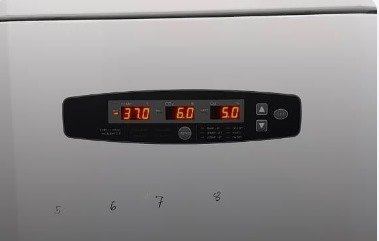
Maintains a stable temperature close to the human body, ensuring embryos develop in their natural optimal environment.
Controls CO₂, O₂, and N₂ levels to create low-oxygen conditions that support healthier embryo development.
Prevents culture media evaporation, protecting embryos from sudden concentration changes and maintaining media quality.
After eggs are fertilized with sperm in the IVF lab, the resulting embryos are prepared for culture.
Embryos are placed in special culture dishes and transferred to the Astec incubator, which has been pre-set to optimal conditions.
Embryos remain in the stable environment for 3-5 days, developing through critical stages with minimal environmental disturbance.
Embryologists periodically check development while the incubator maintains consistent conditions, allowing for accurate embryo assessment.
The healthiest embryos are selected and prepared for transfer to the uterus, having developed in optimal laboratory conditions.
